

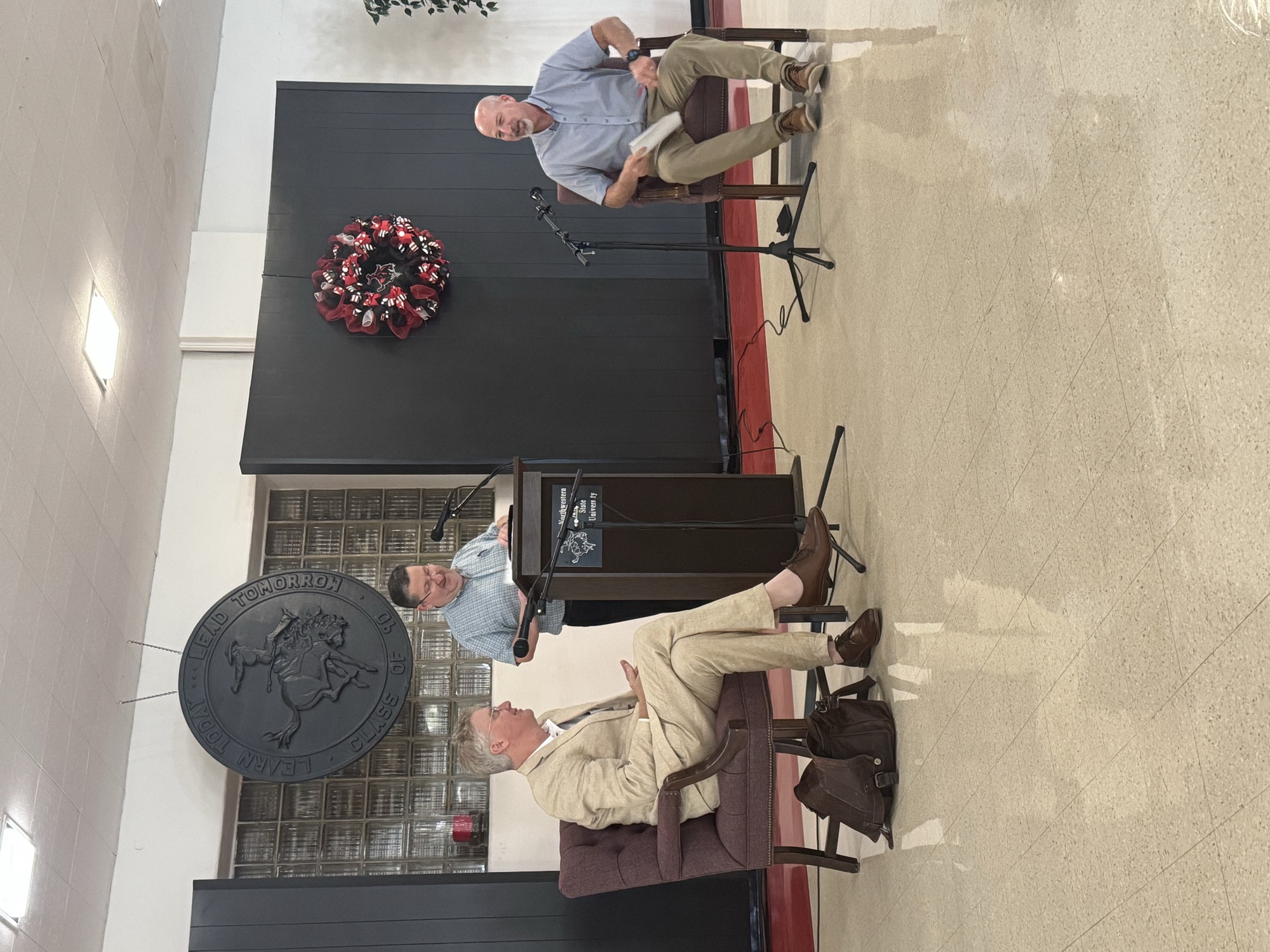
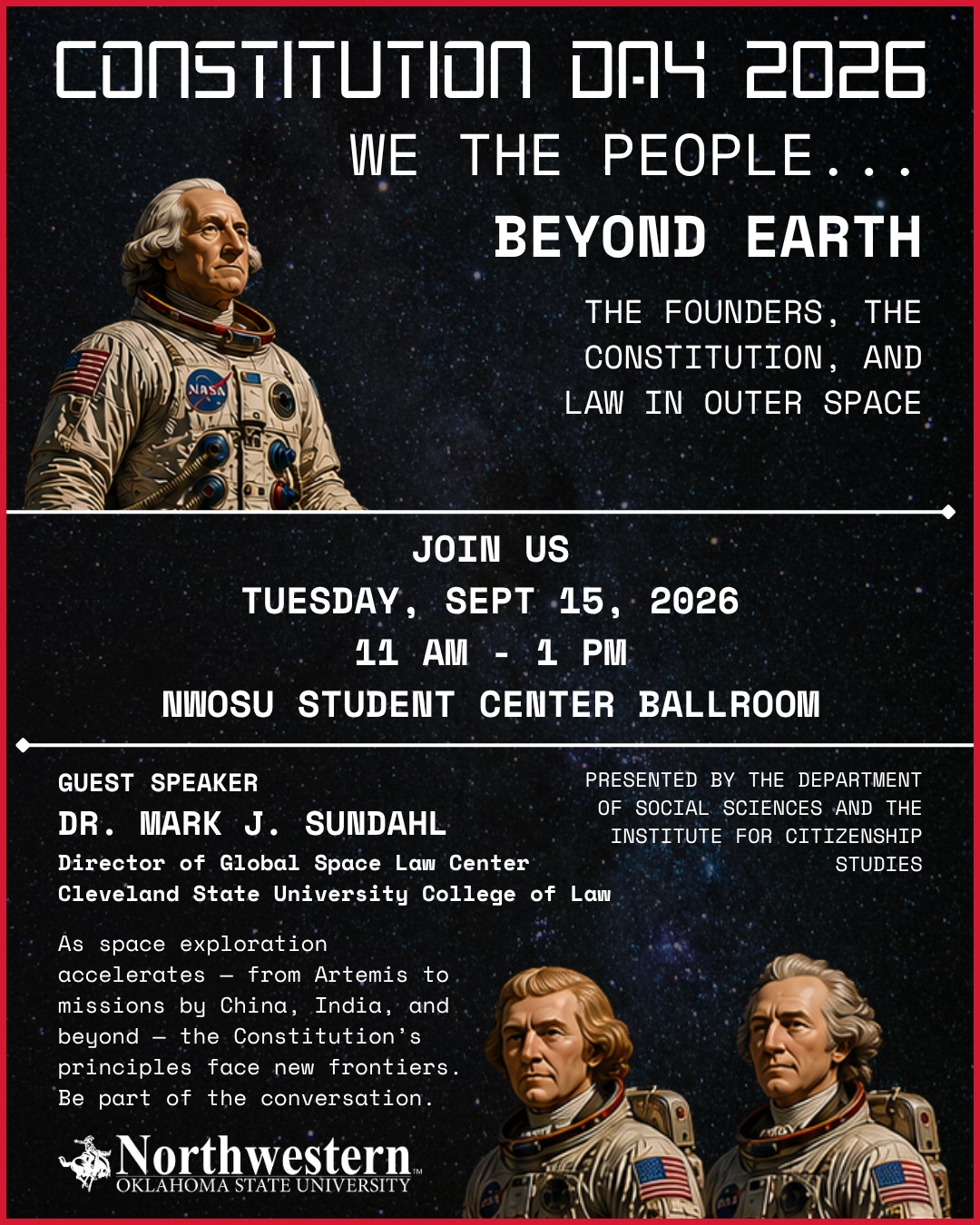
On September 15, 2026, we attended the annual Constitution Day observance at Northwestern Oklahoma State University in Alva, Oklahoma. This year’s subject was the law of outer space: We the People…Beyond Earth: The Founders, the Constitution, and Law in Outer Space. The program was presented by the university’s Department of Social Sciences and the Northwestern Institute for Citizenship Studies.
The guest speaker was Prof. Mark J. Sundahl, professor of law and director of the Global Space Law Center at Cleveland State University College of Law. Mark is also iGO’s Chief Legal Advisor. We first met him in March 2020 at Returning to the Moon at Cleveland-Marshall College of Law. The session was chaired by Dr. Aaron Mason, professor of political science, and Dr. Eric Schmaltz, professor of history and chair of the Department of Social Sciences. The two of them founded the Institute and direct it together.
The question we asked
During the open discussion we asked Mark and the panel the question iGO’s architecture depends on:
The Outer Space Treaty bars national appropriation of celestial bodies, and the 2015 Commercial Space Launch Competitiveness Act says a U.S. citizen may own the resources they obtain. If a company doesn’t mine a resource off an asteroid but instead encapsulates the entire 5-10 meter body in a capture bag and hauls it away, is that “obtaining a resource” under U.S. law, or is it appropriating a celestial body? And who in the U.S. government has the constitutional and statutory authority to say which it is?
Why we asked it
The question is not hypothetical for iGO. AQUARIUS is designed to fully enclose a small asteroid, roughly 5 to 10 meters across, and bake the water out of its hydrated minerals. Most discussion of space resource law pictures a miner removing material from a much larger body that stays where it is. Whole-body capture tests the line between the two ideas: at what point does taking all of a very small rock stop being the recovery of a resource and become the taking of the body itself?
The second half matters just as much. The Outer Space Treaty makes each nation responsible for authorizing and supervising what its citizens do in space, so a company needs to know which office can give it an answer before it flies. iGO has to resolve this before AQUARIUS ever leaves the ground, and we will keep raising it in the rooms where space law is being worked out.
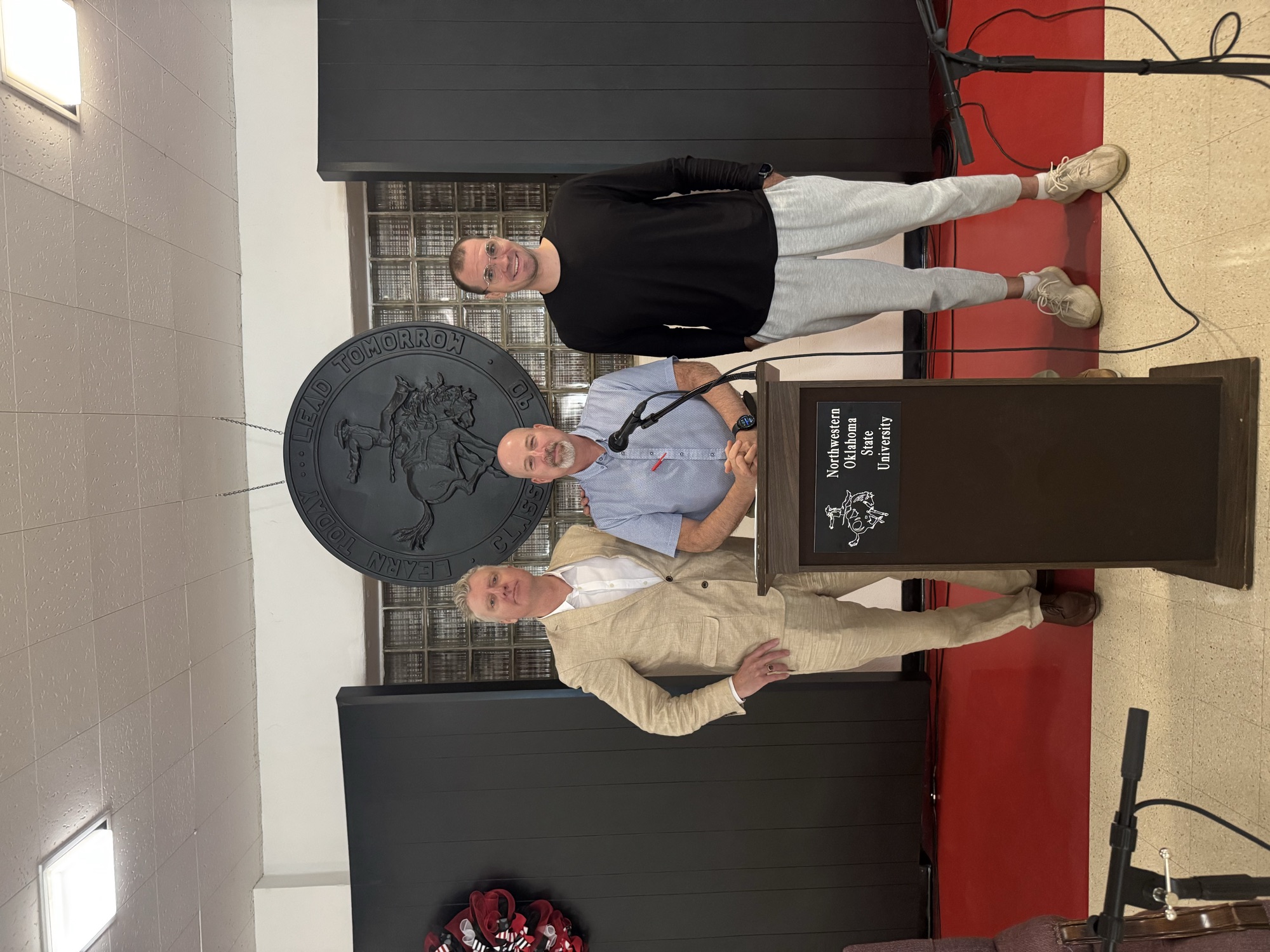
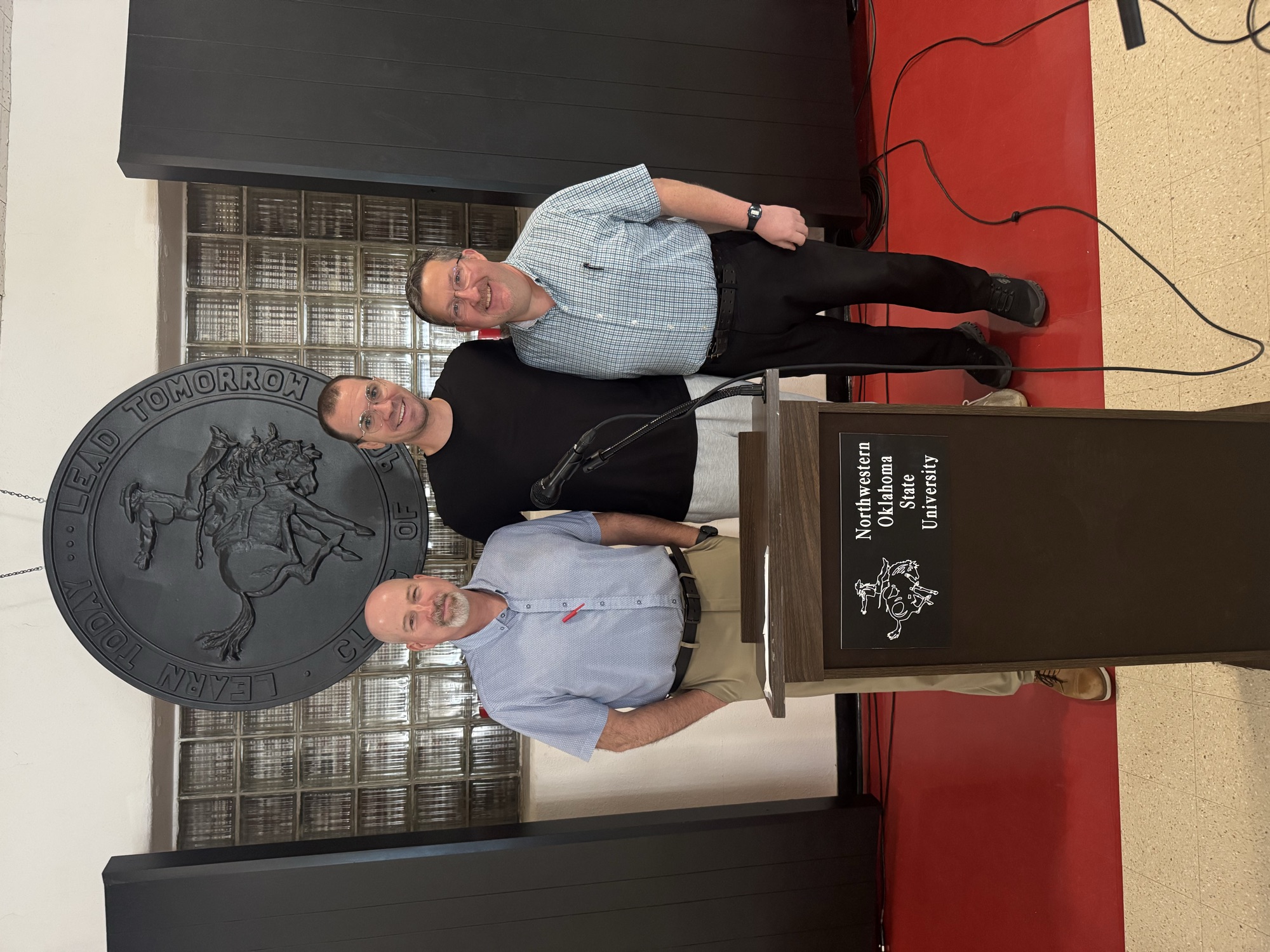
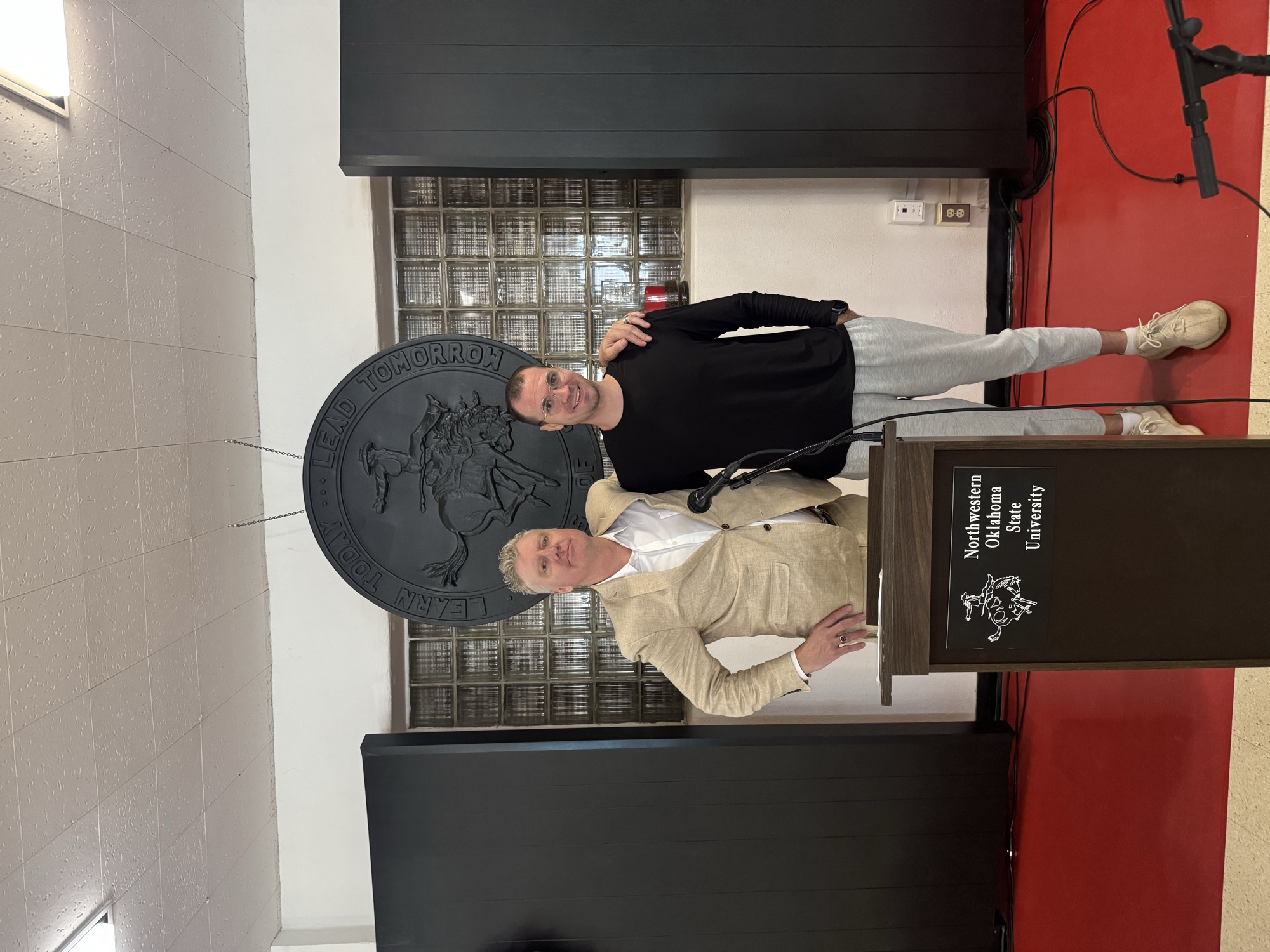
Our thanks to Dr. Mason, Dr. Schmaltz, and Northwestern Oklahoma State University for hosting a public conversation on the law that will govern humanity’s work beyond Earth, and to Mark for making the trip to Oklahoma to lead it. Northwestern published its own announcement of the event: Space Law Expert Visits Northwestern Sept. 15.